In many workplaces, workers can be exposed to airborne particles, dust, and other contaminants that may pose a risk to their health and safety. Whether working in construction, manufacturing, agriculture, mining, or other industrial environments, choosing the right respiratory protection is an important part of a comprehensive workplace safety programme.
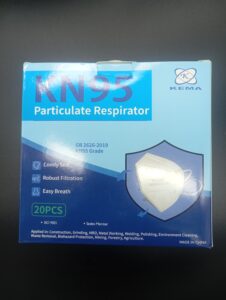
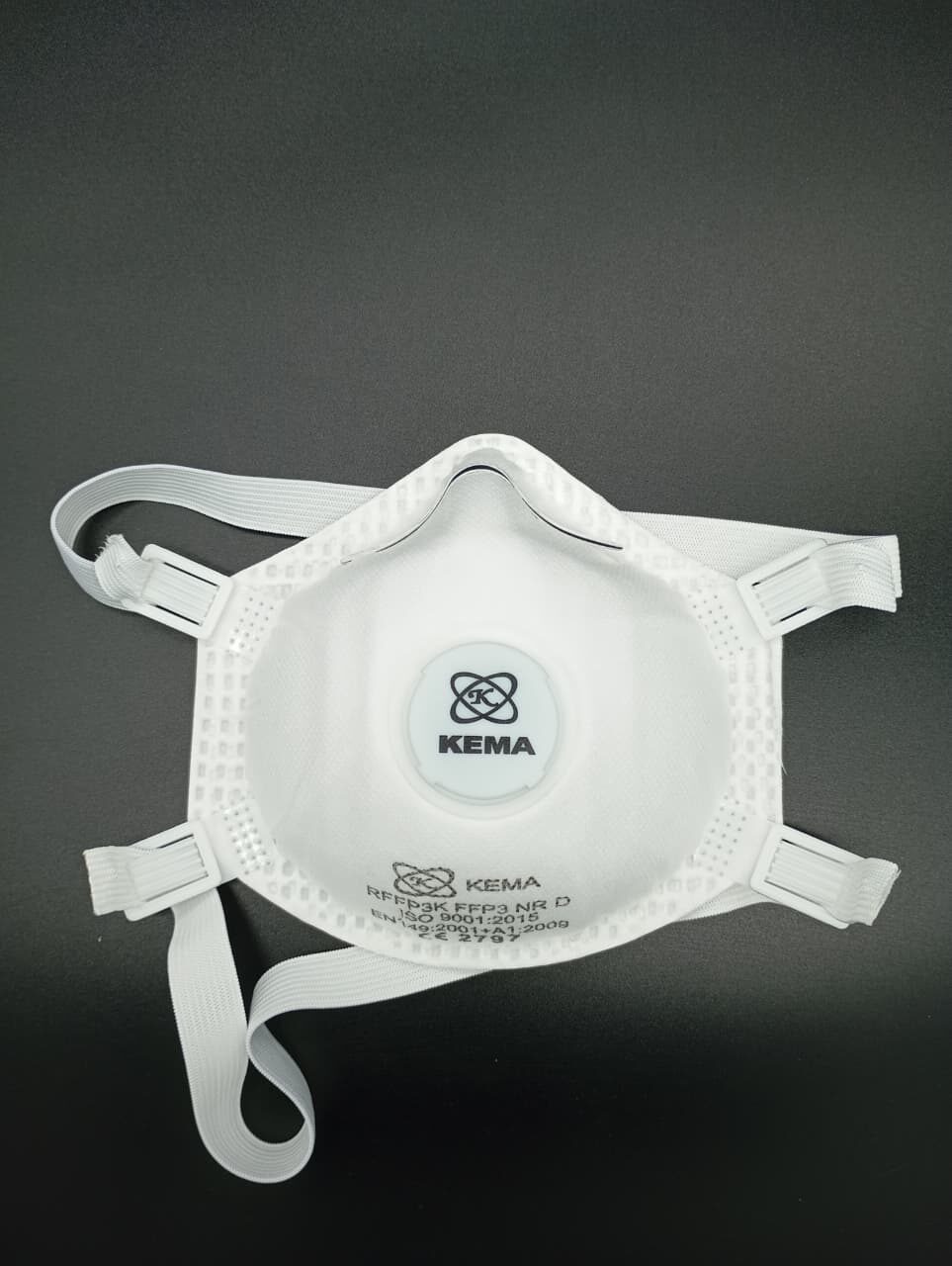
At KEMA (E.A.) Ltd, we provide a range of respiratory protection solutions designed to support workers in different work environments. Our range includes FFP1 NR D, FFP2 NR, FFP2 NR D, FFP3 NR D, and Disposable Dust Masks, offering different levels of protection depending on the workplace hazard and application.
Understanding FFP Respirators
FFP stands for Filtering Face Piece. These respirators are designed to help protect the wearer against specific airborne particles. The appropriate respirator should always be selected based on a proper workplace risk assessment and the type and concentration of contaminants present.
The key differences between FFP classes relate primarily to their filtration performance and the level of protection they provide against airborne particles.
Let’s explore the different options.
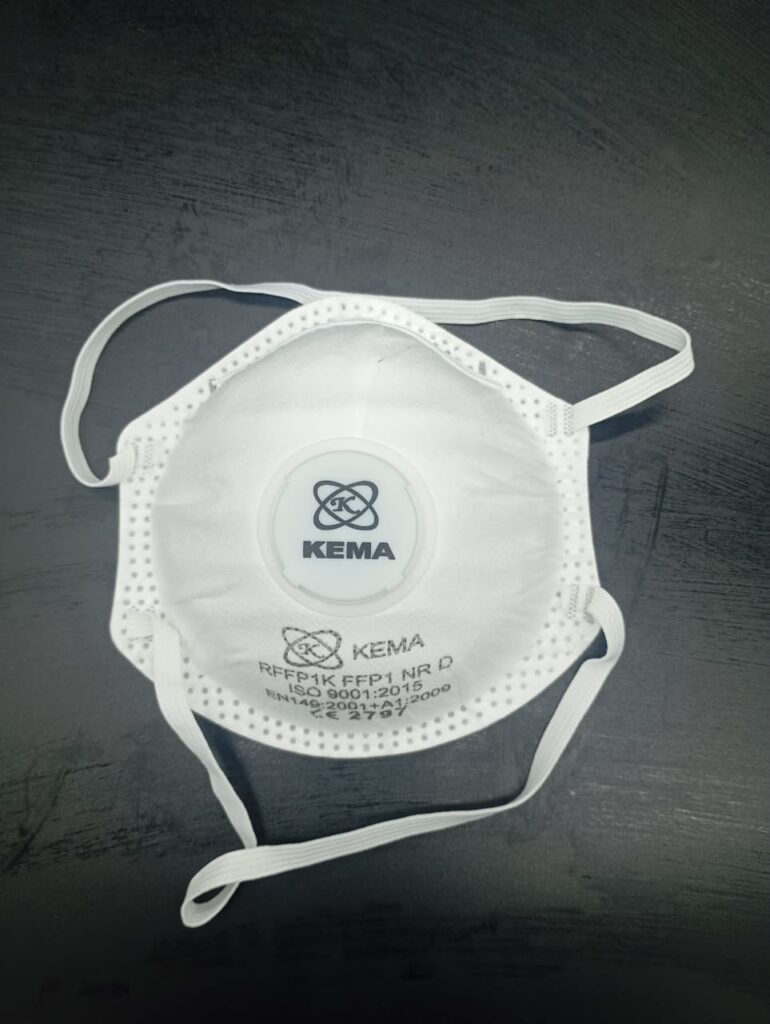
1. FFP1 NR D Respirator
The FFP1 NR D respirator is designed to provide protection against non-toxic solid and liquid aerosols in suitable workplace environments.
It is commonly used in applications where workers may be exposed to lower concentrations of airborne particles, such as:
- General construction work
- Basic maintenance activities
- Dusty work environments
- Woodworking
- Grinding and drilling applications
- Certain agricultural activities
The NR designation indicates that the respirator is intended for Non-Reusable use, while the D marking indicates that it has passed the Dolomite Dust Test, demonstrating improved resistance to clogging under the relevant testing conditions.
FFP1 respirators are generally suitable for environments where a lower level of particulate protection is required.
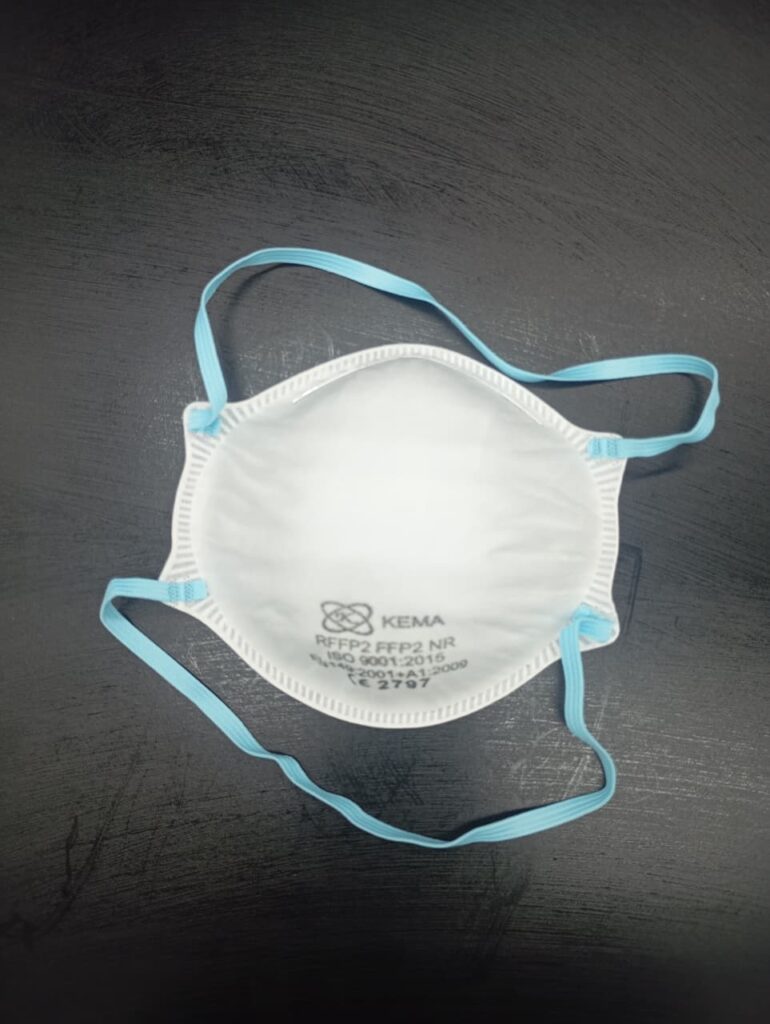
2. FFP2 NR Respirator
The FFP2 NR respirator provides a higher level of filtration than FFP1 and is designed to help protect against solid and liquid aerosols that are not considered highly toxic.
FFP2 respirators are commonly used in industries and applications such as:
- Construction
- Manufacturing
- Agriculture
- General industrial work
- Sanding and grinding
- Handling certain dust-producing materials
FFP2 respiratory protection is particularly useful in workplaces where workers may encounter moderate levels of airborne particulate hazards.
The NR designation indicates that the respirator is intended for non-reusable use.
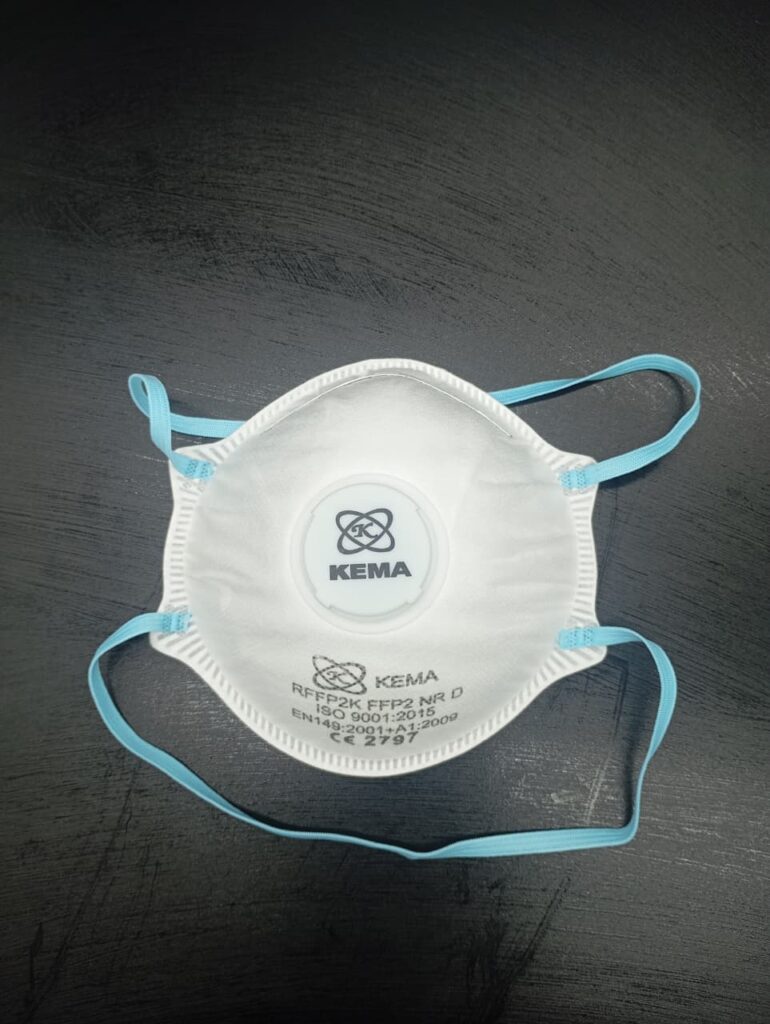
3. FFP2 NR D Respirator
The FFP2 NR D combines the filtration performance of an FFP2 respirator with the additional Dolomite Dust Test certification.
This makes it suitable for demanding environments where workers may experience prolonged exposure to dusty conditions and where resistance to clogging is an important consideration.
Potential applications include:
- Construction
- Cement and concrete work
- Mining
- Manufacturing
- Agriculture
- Woodworking
- Grinding and processing activities
The D marking indicates that the respirator has successfully passed the Dolomite Dust Test, which assesses its resistance to clogging and breathing resistance after exposure to dolomite dust under the applicable standard.
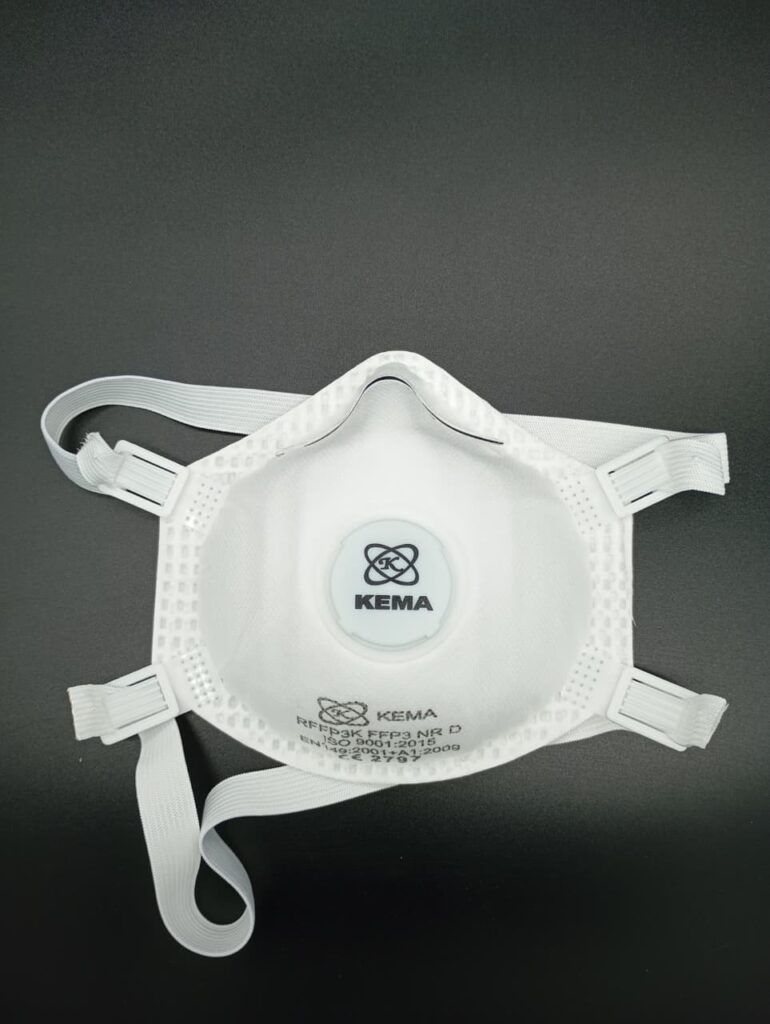
4. FFP3 NR D Respirator
The FFP3 NR D provides the highest level of filtration among the FFP respirator classes discussed in this article.
It is designed for environments where workers may be exposed to higher concentrations of hazardous airborne particles and where a higher level of respiratory protection is required.
Potential applications may include:
- Pharmaceutical and laboratory environments
- Certain healthcare applications
- Chemical and industrial processing
- Construction and demolition
- Specialized manufacturing processes
- Work involving hazardous dusts and particulates
The NR D designation indicates that the respirator is intended for non-reusable use and has passed the Dolomite Dust Test.
Because FFP3 respirators provide a higher level of protection, they should be selected based on a proper risk assessment and the specific hazards present in the workplace.
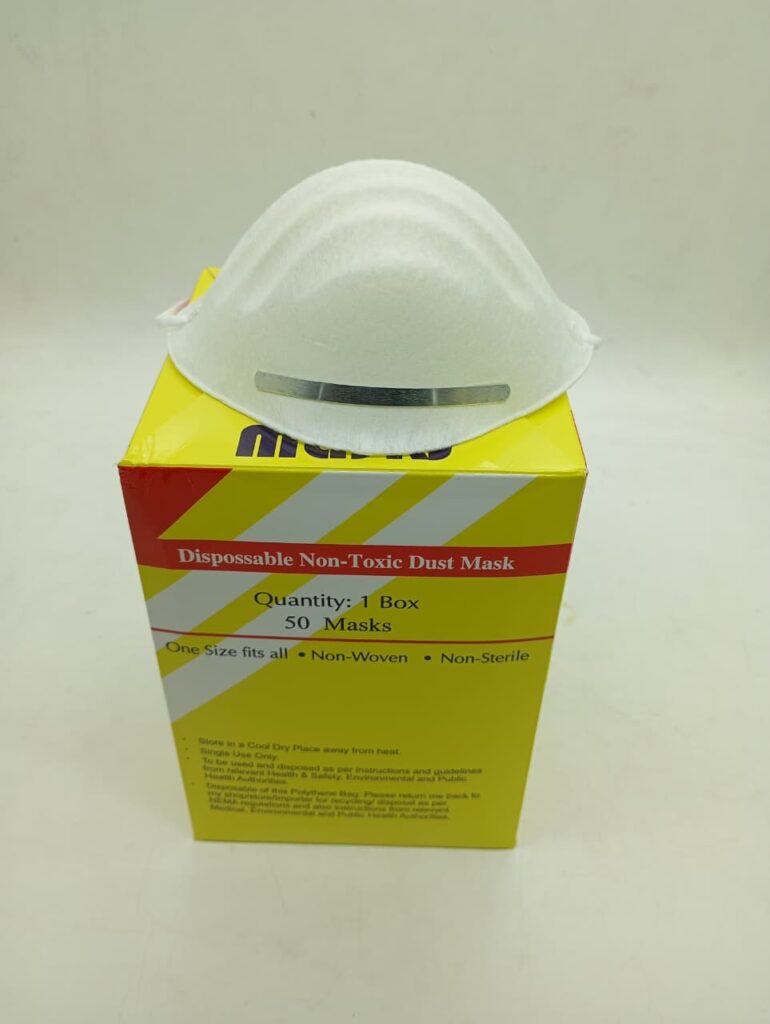
5. Disposable Dust Masks
Disposable dust masks are designed for use in environments where workers need basic protection against non-hazardous dust and nuisance particles.
They can be suitable for general tasks such as:
- Cleaning
- Light maintenance
- Gardening
- General dust exposure
- DIY activities
- Non-hazardous workplace applications
Disposable dust masks should not be confused with certified FFP respirators. A basic dust mask may provide limited protection and may not be suitable for environments containing hazardous particles, toxic substances, or fine airborne contaminants.
Always check the product’s certification and markings before selecting respiratory protection for a specific workplace.
FFP1 vs FFP2 vs FFP3: Which One Should You Choose?
Choosing the correct respiratory protection depends on the hazard, concentration of airborne contaminants, duration of exposure, and workplace conditions.
As a general guide:
| Respirator | General Protection Level | Typical Application |
|---|---|---|
| FFP1 NR D | Lower level particulate protection | General dust and lower-risk particulate environments |
| FFP2 NR | Medium level particulate protection | Construction, manufacturing, agriculture and general industrial applications |
| FFP2 NR D | Medium level particulate protection with Dolomite Dust Test | Longer or more demanding dusty work environments |
| FFP3 NR D | Higher level particulate protection | Higher-risk environments requiring greater filtration performance |
| Disposable Dust Mask | Basic dust protection | General, non-hazardous dust and nuisance particles |
Important: This table is a general guide and should not replace a workplace risk assessment or professional respiratory protection programme.
Why Proper Respiratory Protection Matters
Respiratory protection is an important part of occupational health and safety. However, respirators should not be viewed as the only control measure.
Where possible, employers should first seek to eliminate or reduce airborne hazards at their source through engineering and administrative controls. Respiratory protective equipment should then be selected as part of a broader hierarchy of controls.
For respirators to work effectively, users should also ensure:
- The correct respirator is selected for the hazard.
- The respirator fits properly.
- The mask is worn correctly.
- Facial hair does not interfere with the seal where a tight-fitting respirator is required.
- Workers receive appropriate training.
- Respirators are stored and handled correctly.
- Disposable respirators are replaced according to the manufacturer’s instructions and workplace requirements.
Find the Right Respiratory Protection with KEMA
At KEMA (E.A.) Ltd, we understand that every workplace has unique safety requirements. Our range of respiratory protection solutions helps organizations protect their workforce against airborne particulate hazards in a variety of working environments.
Whether you need FFP1 NR D, FFP2 NR, FFP2 NR D, FFP3 NR D, or disposable dust masks, our team can help you identify suitable respiratory protection solutions based on your workplace needs.
Protecting your workforce starts with making the right choice.
🛡️ Looking for quality respiratory protection and PPE?
Visit KEMA (E.A.) Ltd to explore our range of Personal Protective Equipment and workplace safety solutions.
KEMA (E.A.) Ltd — Protecting People. Empowering Businesses.